
App Development
Why Can’t AI Just Build This App For Us?
So we get asked this question a LOT these days. And frankly, it’s a hard one to answer without sounding
So we get asked this question a LOT these days. And frankly, it’s a hard one to answer without sounding
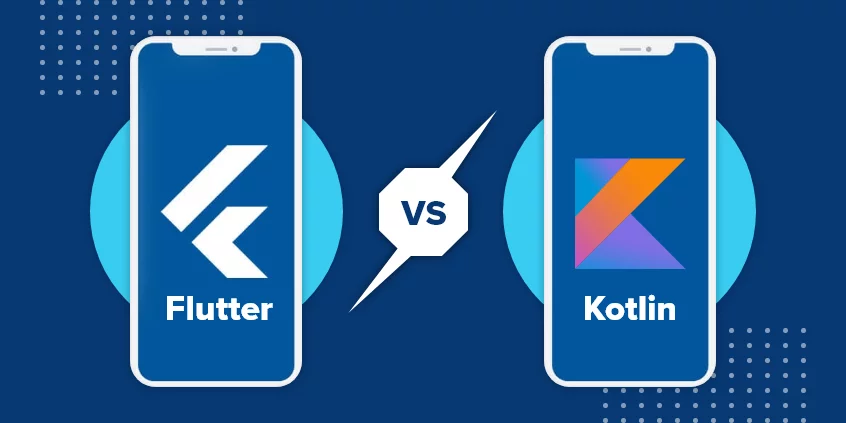
The thing about Agencies and Software Development shops is – they will ALWAYS push their favourite technology, regardless of what is best for the project or even the future maintenance of their client and their customers. There’s just no getting around that. One Mobile Development Studio will insist on native development for each platform (Swift for iOS, Kotlin for Android, and a dedicated JS Framework for Web), another on a simplified cross-platform approach that maps to their team’s existing skillset (like React Native), or perhaps even a more modern, ‘widget-focused’ single interface solution like Flutter.
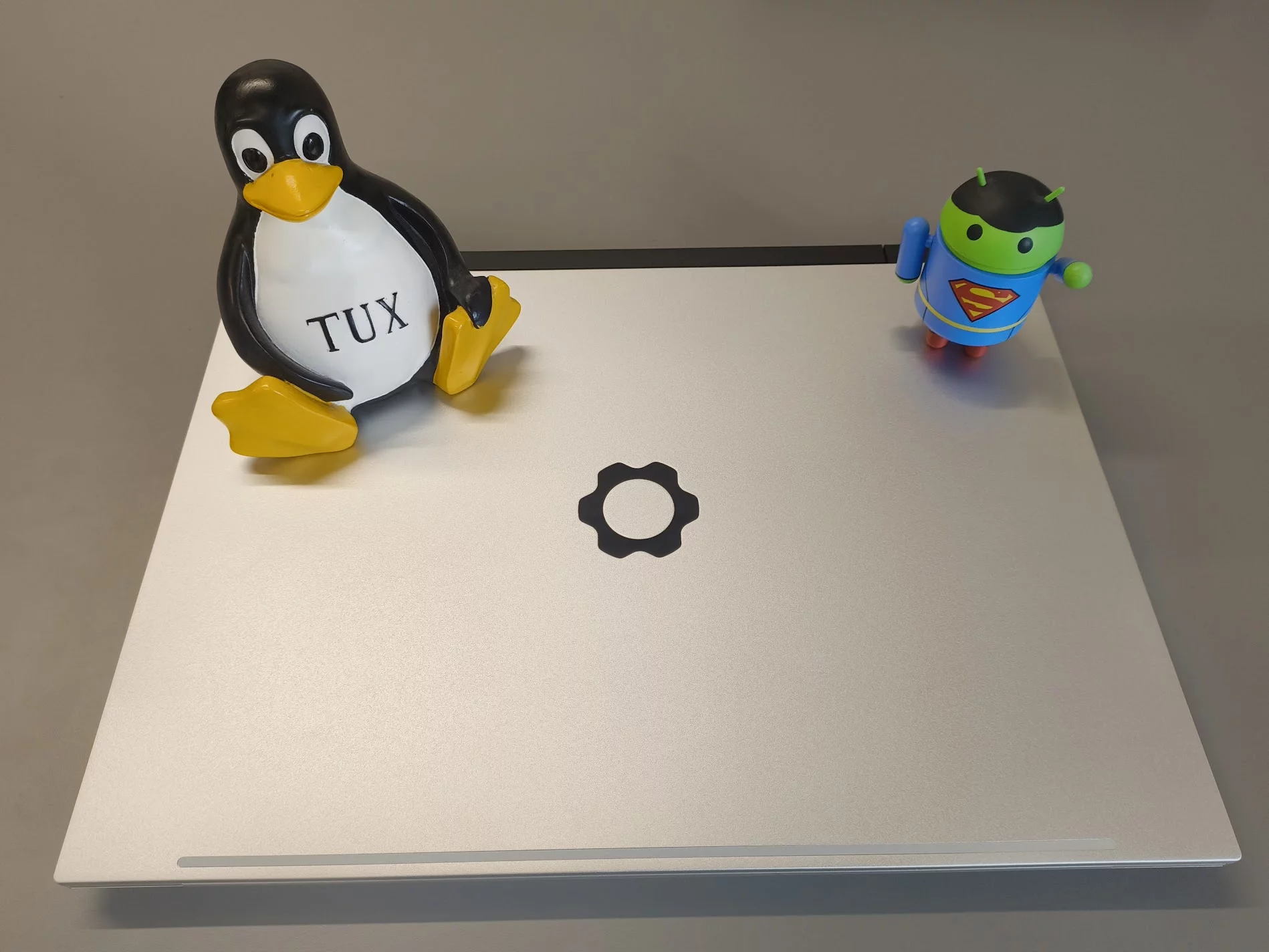
Apple used to tell us how what ports to use – and if our external devices or desktop setup didn’t exactly fit – somehow that was OUR fault and to a dongle we were pointed – making our desks, our bags, and our computing control a complete and utter mess. With Framework, we design the machine to us, and keep re-designing and tweaking them as we go. It’s a sustainable way to go about hardware, but beyond the lofty ideals, it’s simply BETTER for what we do.
MacBooks and Studio Displays and even iPhones may indeed be the apex of utility and reliability (or better described perhaps as ‘appliances’), but the connection between user and computer and the wonder and adventure of computing has been lost. Worse, it’s now mediated completely by Apple with draconian publishing rules for Apps, enforced design updates (gulp, liquid glass), and maddening control measures across every aspect of the experience. When you use an Apple platform, you are not using a device. You are interacting with a set of rules defined by committee. At best you are a few steps removed from inputting heat times into a microwave, or setting the brew duration on your coffee machine. The Apple experience is now transactional and hollow.
At Mission Control, we develop a LOT of Apps for a LOT of different types of users. One question we are often asked is how we approach accessibility and cater to various personal and medical conditions. When we started our initial work for the NHS way back in 2016, we were asked to design a series of Apps for people suffering from different chronic and acute conditions – from HIV to Diabetes and even those working through the steps involved with cancer and acute oncology.

Mission Control is enormously proud to announce the public launch of the Smart_R mobile app, now available on Android, with

In today’s digital landscape, generative AI has transformed from exclusive technology to accessible tools any small business can leverage. Let’s

When small businesses venture into mobile app development for the first time, a crucial decision awaits: build separate native apps

We’re absolutely thrilled to share some exciting news about one of our recent partnerships that’s making waves in the retail
Remember that flip phone you used to have? The one with the tiny screen and polyphonic ringtones? Or perhaps your

Unit 24
Vulcan Works
34-28 Guildhall Road
Northampton
NN1 1EW
hello@missioncontrol.uk.com
+44 01604 913390